
How to keep up with changing Intrastat regulations

Intrastat.ai Editorial Team
Why annual changes create operational risk
Intrastat is not a set-and-forget reporting process. Statistical authorities can update annual instructions, validation rules, code lists, thresholds, submission formats, and country-specific field requirements. A process that worked last year may therefore produce warnings or rejected records in the next reporting period.
The difficulty is not only finding a new document. Reporting teams must identify what changed, decide which registrations and transaction flows are affected, update mapping logic, and test the resulting declaration before the deadline.
What should be monitored
A dependable monitoring process should cover more than headline regulatory announcements:
- National Intrastat manuals and annual reporting instructions
- Combined Nomenclature and other reference code updates
- Changes to mandatory and conditional declaration fields
- Validation rules, thresholds, and submission channels
- Published examples, clarifications, and special cases
Each change should be linked to the country, effective period, affected field, and action required. This creates an audit trail and prevents important updates from being buried in email or personal notes.
Turning guidance into reporting logic
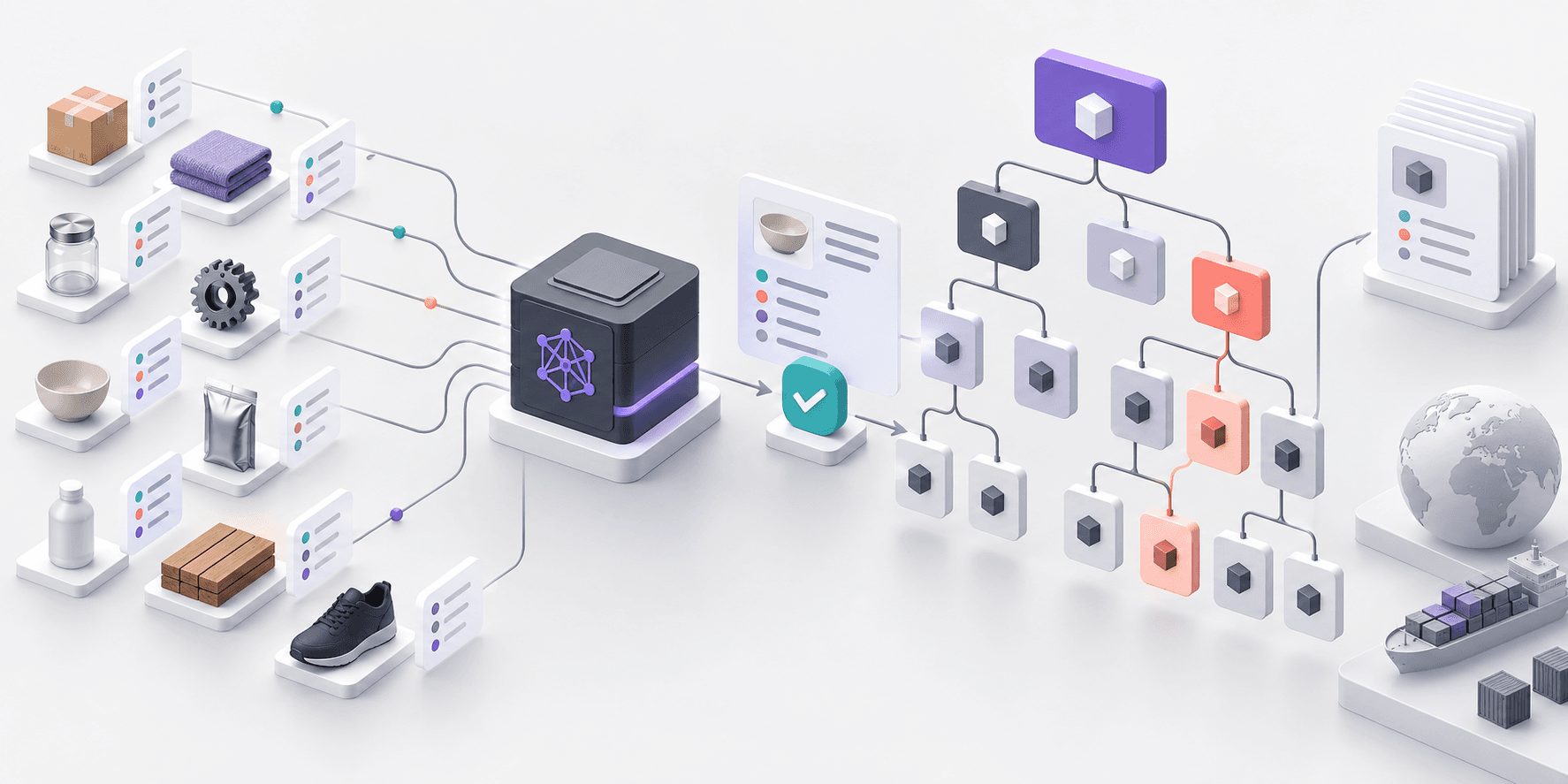
Intrastat.ai tracks official regulations and reporting instructions, then connects relevant changes to country-specific validation and enrichment rules. Reporting teams can review exceptions while routine checks remain consistent across reporting periods.
Automation does not remove accountability. It gives specialists a clearer view of what changed and lets them focus on interpretation and approval instead of repeatedly searching authority websites.
A practical annual review
Before the first declaration of a new year, confirm that code lists, thresholds, field mappings, output formats, and internal documentation reflect the current national requirements. Run a representative declaration through validation and investigate any new warnings before production reporting begins.
Always verify final obligations against the guidance published by the responsible statistical authority in each reporting country.
Related articles
More practical guides for accurate, efficient, and country-ready Intrastat reporting.